
Spin Serves Explained
If you've been on the court lately, you've probably noticed players hitting serves that curve through the air or bounce unpredictably. That's the power of spin, and it's one of the most effective weapons you can add to your serving arsenal. But before you start experimenting, it's crucial to understand what's legal and how to execute spin serves properly.
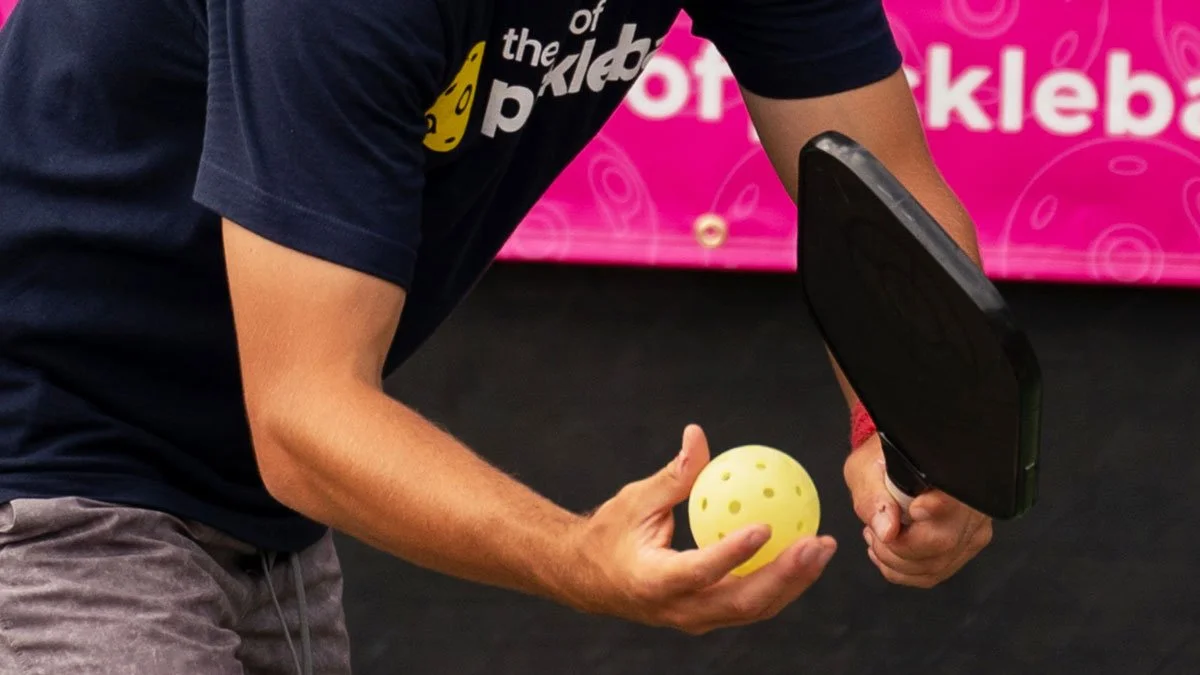
Source : The Art of Pickleball
What the Rules Say
Here's the bottom line: you can generate spin with your paddle during the serve. The infamous "chainsaw serve" and other pre-spin techniques where you manipulate the ball with your hand before striking it are now illegal. Players cannot use their hands to impart spin on the ball before serving. However, once your paddle makes contact with the ball, you're free to generate as much spin as your technique allows.
The Three Legal Spin Serves
Understanding the different types of legal spin serves will help you keep opponents off balance:
Topspin Serve: Brush up the back of the ball to make it dip quickly and stay low after the bounce. This serve adds pace and forces your opponent to deal with a ball that kicks up into them after landing. The act of brushing up the back of the ball translates to the ball going further, making it ideal for getting depth on your serves.
Sidespin Serve: Swinging your paddle across the ball allows it to curve mid-air, making it difficult for your opponent to judge where it will land. This serve can pull players out of position and is excellent as a change of pace option. For right handed players, the ball curves left to right, so adjust your court position accordingly.
Backspin (Slice) Serve: Hit slightly under the ball to create a slower, lower bounce. This works especially well with the drop serve and can throw off opponents who expect pace. However, use it sparingly in singles, as it can give opponents time to rush the net.
Strategic Implementation
Depth is king in pickleball and is the most important feature a serve can have. A deep serve with topspin delays your opponent's arrival at the kitchen line and gives you more space for your third shot.
Variety is equally important. Predictability is your enemy on the court. Mix up high deep serves, short low serves, and spin serves to keep opponents guessing. In doubles, topspin helps you achieve depth without excessive power. In singles, be more aggressive with your spin to generate shorter returns.
Practice Makes Perfect
Don't expect to master spin serves overnight. Start by focusing on one type at a time, practicing against a wall or with a patient partner. Remember the legal serving requirements: contact below the waist, paddle head below your wrist at contact, and an upward swing motion for volley serves.
The drop serve offers more flexibility for practicing spin since it has fewer restrictions, making it ideal for beginners working on their technique.
Whether you're looking to add variety to your game or gain a competitive edge, legal spin serves are a valuable tool. Master the mechanics, mix up your serves strategically, and watch your opponents struggle with returns they can't predict.