
Junior Development Training @ Serangoon
The first step in the Singapore Team Junior Pickleball pathway
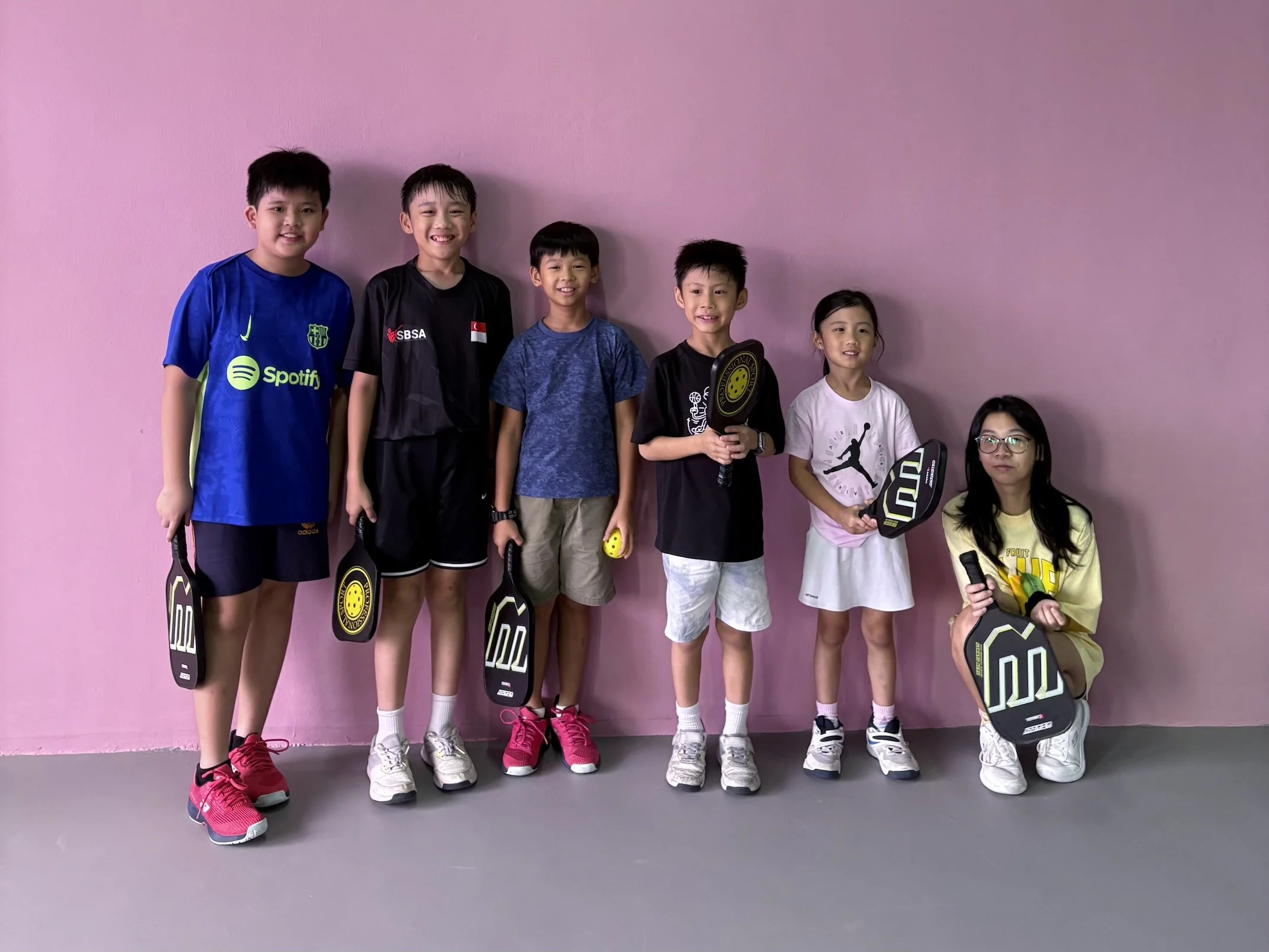
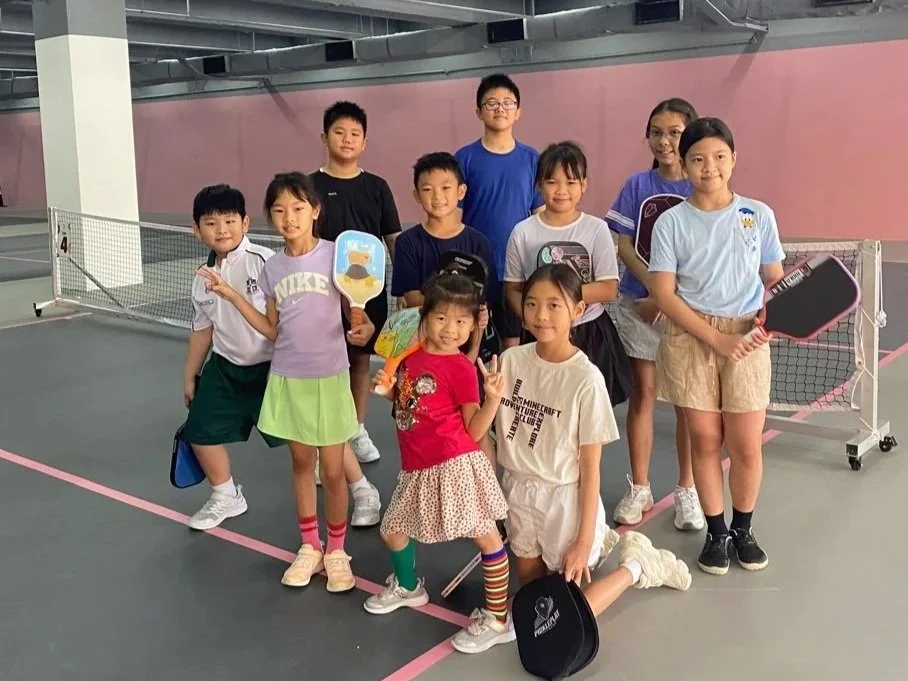
Junior Development Training consists of weekly classes where young players begin their pickleball journey with Play! Pickle.
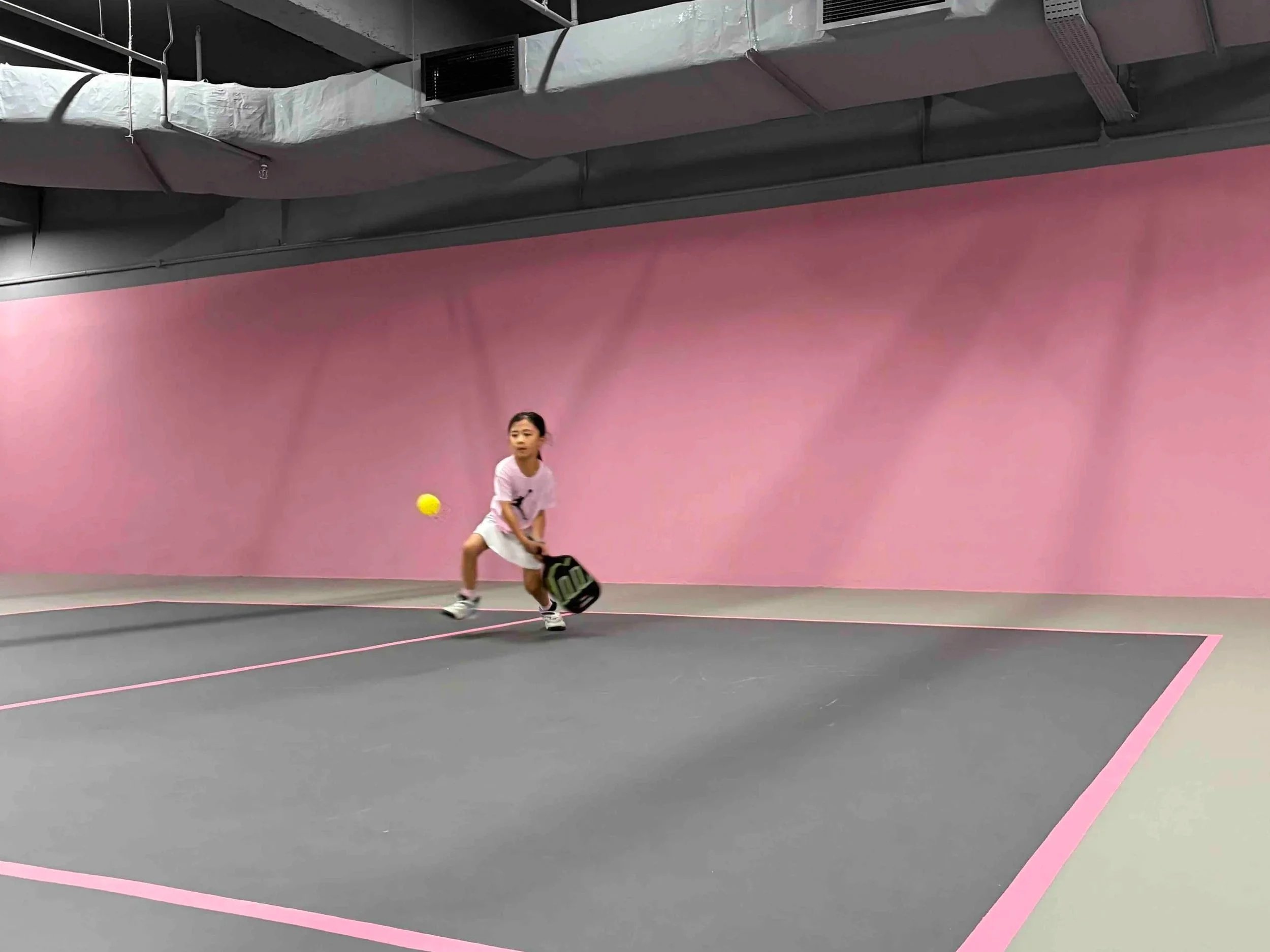
Held at Play! Pickle Serangoon, this programme helps kids build strong fundamentals, movement, confidence, court awareness, and match-play habits in a structured, encouraging environment.
For players who show potential, commitment, and coachability, Junior Development Training may also become the first step towards the Junior Elite Team and, eventually, the Junior Touring Team.
Junior Development
Ages 8–12
Saturday 3-4 PM | Sunday 3-4 PM
Teaching style: more technique detail, tactical thinking, consistency goals, structured drills + games.
-
Focus: clean technique, consistency, and directional control.
Safety, scoring overview, and key rules
Grip, ready position, contact point, and simple footwork (split step/shuffle)
Forehand/backhand drives: swing path + follow-through
Drills: rally to a target zone, cross-court control, “10-ball challenge”
Outcome: players can rally with purpose (not just “hit it back”)
-
Focus: reliable serve/return and building the point.
Underhand serve mechanics: depth + placement (wide/body/center)
Return of serve: height control + depth (keep opponents back)
Transition footwork after return (move up with control)
Drills: serve accuracy ladder, return deep to targets, “serve + 3 shots”
Outcome: players can start points confidently and sustain longer rallies
-
Focus: the non-volley zone game (soft play, patience, control).
Kitchen rule + why it matters tactically
Dinking technique: soft hands, controlled lift, staying balanced
Volleys: block vs punch, reset volleys
Drills: dink cross-court, dink straight, volley-to-reset progression
Outcome: players can hold a dink rally and understand when to volley vs reset
-
Focus: applying skills in real games with simple tactics.
Review + quick corrections: serve/return, drives, dinks, volleys
Doubles positioning: side-by-side, moving up together, covering the middle
Simple strategy: hit to space, target weaker side, keep the ball low, communicate
Play format: coached match play with rotations + “game scenarios” (e.g., 7–7, serve/return pressure)
Outcome: players can play proper doubles points with basic strategy and teamwork
What parents can expect by the end of the course
Ages 8–12: stronger consistency, reliable serve/return, improved rally control, basic dink/volley skills, and real doubles movement + simple tactics.
Junior Elite Training
Ages 10–14
Tuesday 5-6 PM | Wednesday 3-4 PM
Junior Elite Development Training is a structured progression programme for junior players who have developed the basic skills of pickleball and are ready to train with greater purpose.
Sessions combine technical development, movement training, tactical decision-making and coached match play. Players will be challenged to improve their consistency, court positioning, shot selection and ability to compete under pressure.
Admission is subject to the coaches’ assessment of each player’s current ability, commitment and readiness for the programme.
What Parents Can Expect
By the end of the programme, players should demonstrate stronger technical consistency, more efficient court movement, improved tactical awareness and greater confidence during competitive play.
Players who consistently demonstrate the required ability, attitude and commitment may be considered for progression into the Junior Elite Team and, subsequently, the Junior Touring Team.