
Why Your Dink Game Is Costing You More Points Than You Think
Most recreational pickleball players obsess over their power game. They want a harder drive, a more aggressive third shot drop, a faster overhead smash. But if you watch the players who consistently win at the 3.5 level and above, you will notice something: they spend a lot of time standing at the kitchen line, barely moving, tapping the ball back and forth in a slow, controlled rally. They are dinking. And they are very good at it.
If you are losing matches you feel you should be winning, there is a strong chance your dink game is the culprit. Not your serve. Not your smash. Your dinks.
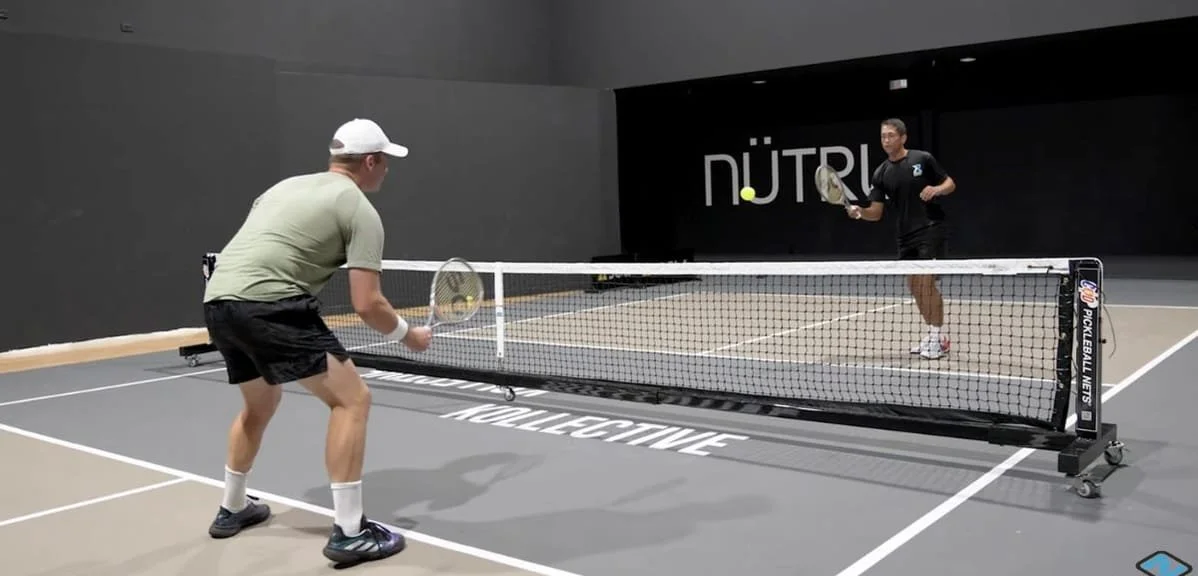
Source: The Dink Pickleball
Here is why, and what you can do about it.
The Real Purpose of the Dink
A lot of players treat the dink as a passive shot, something you do while you wait for a real opportunity to open up. That framing is backwards. The dink is an offensive weapon. Its entire purpose is to force your opponent into an uncomfortable position, whether that means pulling them wide, drawing them into the kitchen, or simply keeping the ball low so they cannot attack.
When you approach the dink as a defensive placeholder, you start making passive choices. You aim for the middle of the kitchen instead of a corner. You keep the same pace and trajectory ball after ball. You let your opponent get comfortable. Comfortable opponents make fewer errors, and you end up losing rallies you should have won.
The Most Common Dinking Mistakes
Floating the Ball Too High
This is the single most punished mistake in the dink game. A dink that clears the net by more than a few inches is an attackable ball. Skilled opponents will either speed it up aggressively or push you deep with an angled dink of their own.
The fix is simple in theory but hard in practice: keep your dink trajectory as flat as possible. You want the ball to barely clear the net and land soft in the kitchen. This takes repetition at the practice wall or with a dedicated drilling partner, but once it clicks, the number of balls your opponents can attack drops dramatically.
Going Cross Court on Autopilot
Cross court dinks are generally the safer choice because the net is lower in the middle and you have more court to work with. Players learn this early, and then they never stop doing it. If every single dink you hit goes cross court, your opponent can predict exactly where the ball is landing. They can start early, get into position, and unload on the ball.
Mix in the erne threat. Mix in the straight ahead dink to the same side opponent. Use the cross court dink to set up the line shot. Variety is what creates confusion, and confusion creates errors.
Standing Too Upright
Dinking with a stiff, upright posture forces you to use your wrist and arm to generate control. That inconsistency costs you. Your dinks will float, your depth will be off, and you will feel like you are scrambling on every ball.
Bend your knees. Get low. Let the paddle face do the work rather than scooping from the wrist. Players who have locked in their dinking stance look almost bored at the kitchen line because the shot requires so little effort. That is what you are aiming for.
Losing Patience and Popping Up
You are twenty shots into a dink rally. You want it to end. You unconsciously speed up your swing, try to add a little topspin, and suddenly the ball pops up at chest height on the other side. Your opponent crushes it. Point over.
The dink rally ends when one player forces an error or gets a ball they can legitimately attack. Your job is to stay disciplined until that moment comes. Some rallies go thirty shots. Some go fifty. The player who flinches first usually loses the point.
How to Actually Improve Your Dink Game
Drilling is the answer, and most players skip it. If you spend every session just playing games, you will not improve your kitchen game as fast as players who carve out twenty minutes to drill cross court dinks, straight dinks, and reset dinks from awkward positions.
Find a partner willing to do dedicated dink rallies. Set a goal: keep it going for fifty shots without a pop up. Track how far you get. Over a few weeks, you will start to feel the difference in your consistency and your ability to stay calm in a long rally.
If you do not have a partner, a rebounder or practice wall works well for this. You will not replicate the angles of a real dink exchange perfectly, but you will build the muscle memory and the soft hands you need.
Also: watch your own footage if you can. Most players have no idea how high their dinks actually are until they see a video of themselves. It is usually more alarming than they expect, and it motivates real change.
The Mental Side
There is something psychologically difficult about the dink game that does not get talked about enough. It feels passive. It feels like you are waiting. High energy players especially tend to rush this part of the game because standing at the net tapping a soft ball does not feel like competing.
Reframe it. Treat every dink rally as a battle of precision and composure. You are trying to place the ball in a spot that makes your opponent's next shot harder. They are trying to do the same to you. Every soft, controlled, well placed dink you hit is a small win. Every ball you pop up is a small concession.
Conclusion
You do not need a faster speed up. You do not need a better serve. You need to stop giving away points at the kitchen line with floating, predictable, impatient dinks.
And for the love of the game, stay patient in those long rallies. Your win rate will follow.