
Durable Grit Technology: 2026's Top Paddle Innovations
The pickleball world moves fast. Every season brings new promises from manufacturers about surface texture, core dampening, and swing weight optimization, but 2026 feels different. This year, the conversation has shifted almost entirely toward one thing: how long does the grit actually last?
For those who don't obsess over paddle specs the way I do, "grit" refers to the textured surface applied to a paddle face that allows players to generate spin. More grit means more friction between the ball and paddle surface, which translates to sharper rolls, nastier drops, and serves that bounce awkwardly off the kitchen line. The problem has always been durability. Manufacturers figured out how to make gritty surfaces years ago. Keeping them gritty through hundreds of hours of play? That's been the holy grail.
In 2026, several brands are making legitimate strides toward solving this problem, and I've had the chance to hit with most of them.
Source : Pickleheads
Toray Carbon Weave 3.0
Selkirk's latest surface treatment uses a tighter carbon fiber weave that embeds grit into the actual structure of the carbon rather than coating over it. Previous generations of textured paddles would lose noticeable spin generation around the 40 to 60 hour mark. In my testing, the new Selkirk surface held its texture well past 80 hours of outdoor play, which is genuinely impressive. The spin numbers stayed consistent from week one through week six of my testing window.
Ceramic Infused Fiberglass
Joola has leaned into a ceramic particle infusion process for their 2026 lineup that changes the feel of the paddle face in an interesting way. The surface feels almost matte to the touch rather than aggressively rough, but the ball interaction tells a different story. Topspin dwell time is noticeably longer, and the grit held up through repeated outdoor sessions even in humid summer conditions. Humidity has historically accelerated the breakdown of surface coatings, so this is a meaningful development.
Thermoformed Grit Bonding
One of the more technical advances this year comes from Paddletek, who have applied thermoforming techniques not just to their core construction but to how the surface texture bonds to the carbon face. The heat compression process during manufacturing essentially fuses the grit particles at a molecular level rather than adhering them with a separate compound. The practical result is a paddle that resists delamination and texture loss even under heavy topspin play from the baseline.
Raw Carbon Finishing Techniques
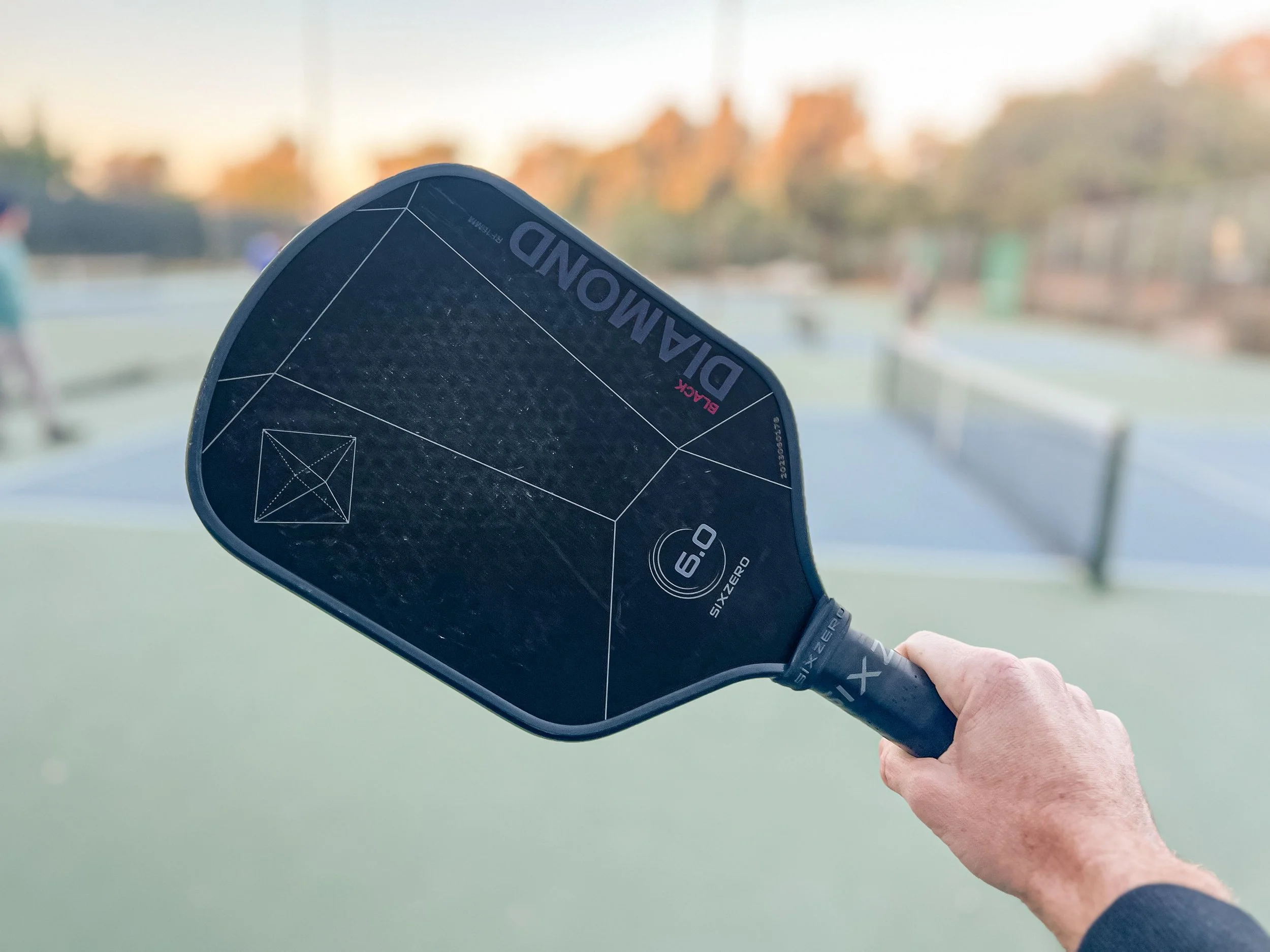
Raw carbon surfaces are nothing new, but the finishing processes in 2026 have become far more refined. Six Zero has introduced a post cure sanding process that creates a more uniform grit pattern across the entire paddle face. Earlier raw carbon paddles had inconsistent texture depending on where the ball made contact. The edge zones often wore faster than the sweet spot. Six Zero's new finishing approach distributes wear much more evenly, which extends the functional life of the surface considerably.
What This Means for Your Game
If you've been the type of player who replaces paddles every few months because you feel the spin dropping off, 2026 is genuinely good news. The best paddles this year are holding their surface integrity long enough to justify their price tags. The $200 to $250 range, which once felt hard to rationalize, now makes more sense when a paddle holds peak performance for four to six months of regular play rather than six to eight weeks.
The arms race in pickleball paddle technology is far from over, but durability has finally caught up with performance in a meaningful way. The brands paying attention to how grit degrades over time, rather than just how good it feels out of the packaging, are the ones worth watching heading into the back half of 2026.