
The Lob in Pickleball and How to Use It
The lob shot might be one of the most underutilized yet powerful weapons in your pickleball arsenal. While many players focus on perfecting their dinks and volleys, mastering the lob can give you a significant competitive edge and help you control the pace of the game. Understanding when and how to execute this shot effectively can transform your overall strategy on the court.
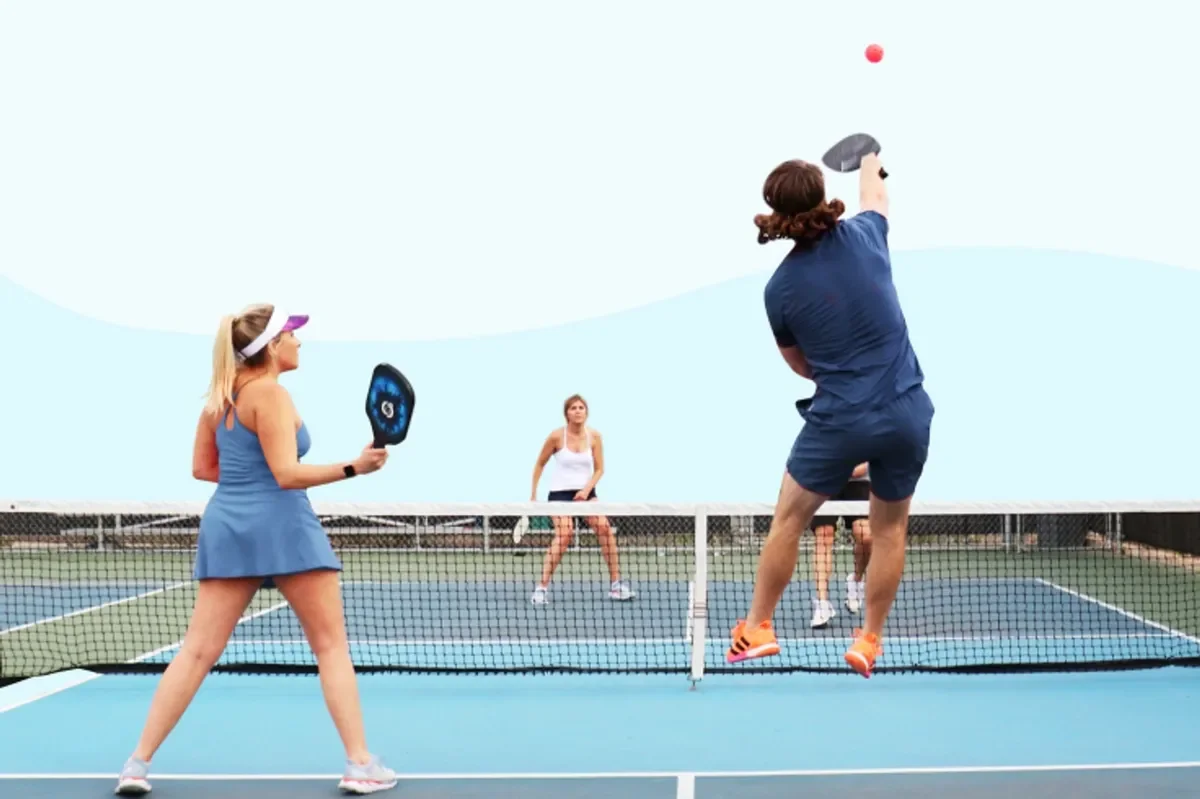
Source : Pickleheads
What is a Pickleball Lob Shot?
A lob in pickleball is a high, arcing shot that sends the ball deep into your opponent's court, ideally sailing over their heads and landing near the baseline. The shot is executed by opening the paddle face and lifting the ball from a low to high motion. The goal is to force your opponents backward from their advantageous position at the non volley zone, commonly known as the kitchen line, giving you time and space to reset or set up your next attack.
Types of Lobs: Offensive vs Defensive
Understanding the difference between offensive and defensive lobs is crucial for strategic play. An offensive lob is used when all players are positioned at the kitchen line during a neutral rally. This shot aims to catch opponents off guard, pushing them back and creating scoring opportunities. The element of surprise is essential for an offensive lob to be effective.
A defensive lob, on the other hand, is a recovery shot. When you are pulled wide or deep and need time to reposition, a defensive lob buys you precious seconds to get back into proper court position. This higher, deeper lob should ideally land near your opponent's baseline, making their overhead return more challenging.
How to Execute the Perfect Lob
Proper technique is essential for consistent lobbing. Start with a continental grip and position your feet shoulder width apart with knees slightly bent. The motion should be similar to hitting a dink, with a soft grip on your paddle. The key difference is in the leg drive. Rather than swinging primarily with your arm, push through your legs as you make contact, lifting from a squat position as you strike the ball.
Keep your backswing compact and minimal to disguise your intentions. A large backswing telegraphs your shot, allowing opponents to anticipate and defend against it. Aim your lob over your opponent's non dominant shoulder, typically their backhand side, making it more difficult for them to return even if the shot falls slightly short.
When to Use the Lob Shot
Timing is everything when it comes to lobbing. The ideal moment for an offensive lob is during an extended dinking rally when your opponents are leaning forward at the kitchen line, anticipating another soft shot. If you notice your opponent's head dropping or their weight shifting forward into the non volley zone, this presents a prime opportunity to lob.
The shot is most effective when there is only a 15 foot margin between the kitchen line and the baseline, so precision is critical. A lob that falls too short becomes an easy overhead smash opportunity for your opponent, while one hit too long results in an out of bounds fault.
Common Mistakes to Avoid
Many players make the error of attempting lobs too frequently, which eliminates the element of surprise. Vary your shots throughout the rally to keep opponents guessing. Another common mistake is hitting lobs while off balance, which leads to inconsistent placement and pop ups. Always ensure you are balanced and in proper position before attempting a lob.
Additionally, avoid using excessive arm swing. Relying too heavily on your arm creates inconsistency. Instead, focus on lifting with your leg muscles, driving power from the ground up through your core and shoulder.
Defending Against the Lob
The best defense against an offensive lob is anticipation. When your partner is engaged in a dinking exchange at the kitchen line, position yourself to guard against potential lobs. If your partner gets pulled to the net by a short dink, be prepared to call them off the shot and cover the lob yourself.
When retreating for a lob, move in a circular arc pattern rather than running straight back into the ball. This approach allows you to reach the ball more comfortably while maintaining balance for your return shot.
Mastering the lob shot requires practice, timing, and strategic awareness. By incorporating both offensive and defensive lobs into your game and learning to disguise your intentions, you will become a more versatile and unpredictable player. Remember that the lob should complement your existing shot selection rather than dominate it. With consistent practice and proper execution, the lob can become a game changing element of your pickleball strategy.