
Essential Tips for New Pickleball Players in 2026
Pickleball continues its meteoric rise as America's fastest-growing sport in 2026, and for good reason. This addictive blend of tennis, badminton, and ping-pong offers an accessible entry point for all ages while providing enough strategic depth to keep players engaged for years. If you're new to the sport this year, you're joining millions of enthusiasts who've discovered the joy of the game. Here are five essential tips to help you start your pickleball journey on the right foot.
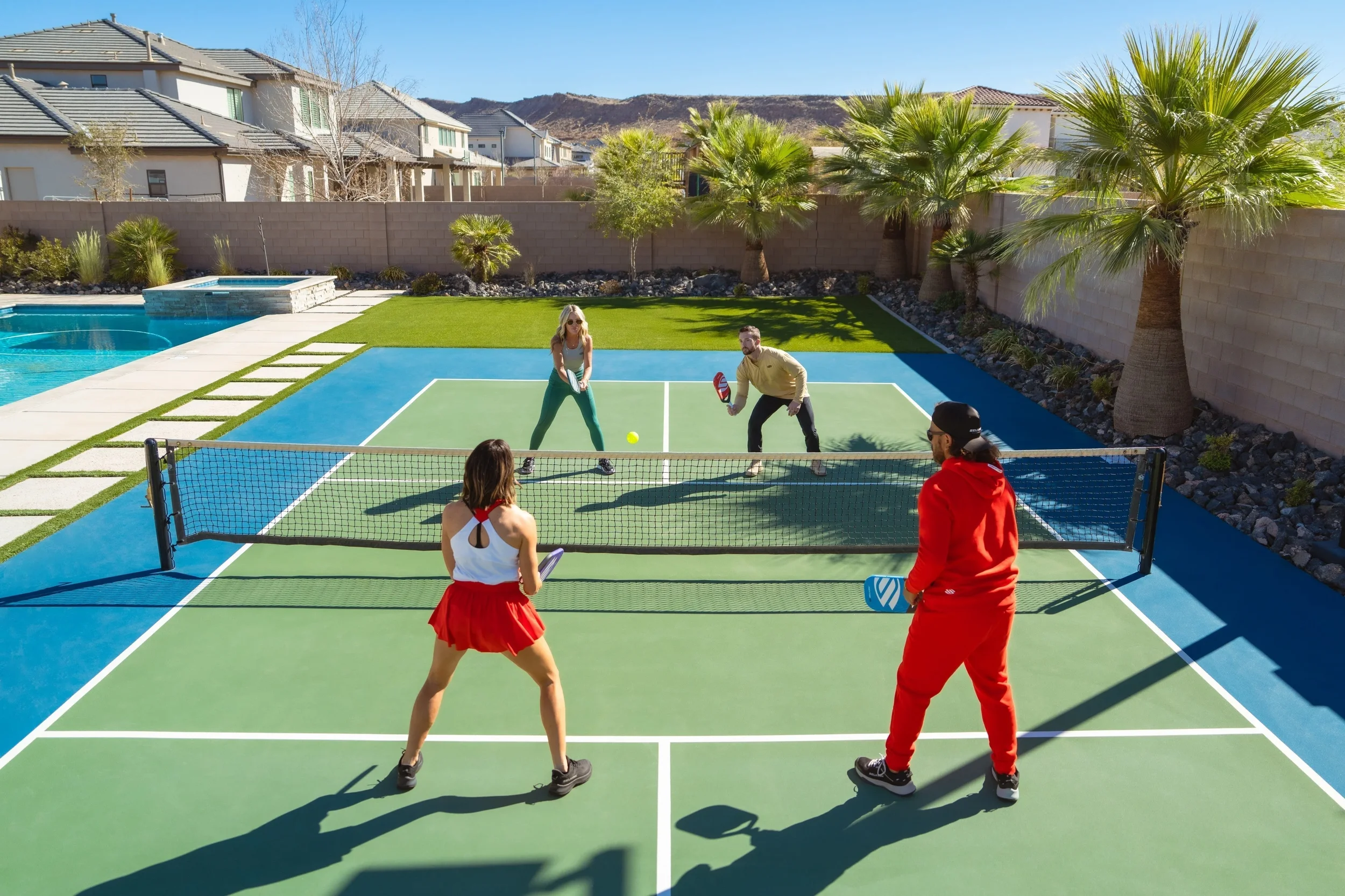
1. Master the Kitchen Rules Before You Step on the Court
The non-volley zone, affectionately known as "the kitchen," is pickleball's defining feature and the source of much confusion for beginners. This 7-foot area extends from the net on both sides of the court, and understanding it is absolutely crucial.
Here's what you need to know: You cannot hit the ball out of the air (volley) while standing in the kitchen. However, you can step into the kitchen anytime to hit a ball that has bounced. The tricky part? Your momentum can't carry you into the kitchen after hitting a volley, even if the ball is already dead.
Most strategic plays in pickleball happen at the kitchen line. Learning to approach this zone after the third shot and staying alert for dinking opportunities will instantly elevate your game. The kitchen prevents aggressive net play and creates the tactical cat-and-mouse exchanges that make pickleball so engaging.
2. Invest in Proper Equipment from Day One
While you don't need to break the bank, starting with quality equipment makes a significant difference in your development and enjoyment. In 2026, the equipment landscape has evolved considerably, with USA Pickleball continuing to refine certification standards.
Your First Paddle: Look for something in the $50-100 range that feels comfortable in your hand. The current gold standard for 2026 is T700 raw carbon fiber surfaces paired with 16mm polypropylene honeycomb cores. This combination balances spin, control, feel, and joint health. Popular beginner-friendly options include the ONIX Graphite Z5, Selkirk Latitude, and the SLK NEO 2.0 set. The Friday Original offers excellent value at $50 if you want to test the waters before committing to a higher-end paddle.
Proper Footwear: Court shoes matter more than many beginners realize. Pickleball-specific shoes from ASICS, K-Swiss, and Babolat feature reinforced lateral support, anti-slip soles, and midsole cushioning designed for the quick direction changes the sport demands. Your old tennis or running shoes simply won't provide the same stability and traction.
3. Focus on Consistency Over Power
One of the biggest mistakes new players make is trying to hit winners on every shot. The paradox of pickleball is that the most aggressive approach often leads to more losses. Understanding when to hit hard versus when to hit soft separates beginners from experienced players.
Serve Smart: Your serve should focus on consistency and depth rather than power. Aim deep into the court to keep your opponent back, giving yourself time to prepare for the return. The underhand serve must be executed with the paddle head below your wrist at contact and the ball struck below your waist. In 2026, USA Pickleball has clarified that serves must be "clearly legal," making proper technique more important than ever.
Return Deep: After your opponent serves, aim for a deep, lofted return. This buys you time to reach the kitchen line and prevents your opponents from attacking immediately.
Play to Position: Every shot should have intention behind it. Sometimes that intention is simply "keep the ball in because I'm scrambling." Most of the time, it's "hit this ball to make things awkward for my opponent." When you're neutral or on offense, go for the shot that applies the most pressure—but when you're scrambling, choose the high-percentage shot.
Target Smart Areas: When in doubt, hit to the middle of the court. The net is lower there, your opponent's attacking angles shrink dramatically, and you get time to reset. Also, aim for your opponents' feet or backhands, low shots at the feet force defensive returns because players must decide whether to let the ball bounce or take it out of the air.
4. Develop Your Third Shot Drop Early
The third shot drop is arguably the most important shot in pickleball, yet it's often neglected by beginners who'd rather bang away from the baseline. This soft, arcing shot from the baseline into the kitchen is designed to be unattackable, allowing you and your partner to advance to the kitchen line.
Here's why it matters: After your team serves, your opponents return the ball and immediately advance to the kitchen line. You're now stuck at the baseline while they control the net. A hard drive might feel satisfying, but it typically comes back at you even harder. A well-executed drop shot lands softly in the kitchen, neutralizing their advantage and allowing you to advance.
In 2026, with players becoming increasingly skilled, the third shot drop has become even more essential. Players who rush forward without purpose, popping balls up to their opponents, get stuck in the dreaded transition zone where they're vulnerable to attacks.
5. Find Your Community and Practice with Purpose
Pickleball is inherently social, and connecting with your local community will accelerate your improvement while making the experience more enjoyable.
Seek Out Different Opponents: Playing regularly with opponents at various skill levels helps you improve faster than anything else. While it's comfortable to play with people at your level, seeking out players who are slightly better forces you to elevate your game. Most pickleball communities are welcoming to newcomers. The sport's culture emphasizes fun, fitness, and friendship over cutthroat competition.
Join Organized Play: Many recreation departments, tennis clubs, and dedicated pickleball facilities offer beginner clinics, open play sessions, and leagues. These structured environments provide opportunities to learn from more experienced players and get immediate feedback on your technique.
Practice Specific Skills: Rather than just playing full games every time, dedicate time to drilling specific shots. Practice your serves, returns, dinks, and third shot drops repeatedly. Set up targets on the court and track your accuracy. Work on uncomfortable shots and have friends hit balls you struggle with so you can improve your weaknesses.
Watch and Learn: Observe professional or advanced players to learn techniques like dinking, positioning, and strategic shot placement. In 2026, there's more pickleball content available than ever, from professional matches to instructional videos. The Professional Pickleball Association (PPA) and Major League Pickleball (MLP) provide excellent examples of high-level play.
Bonus Advice: Embrace the Learning Curve
Remember that every expert was once a beginner. Pickleball has a reputation for being easy to learn but difficult to master, which means you'll see rapid improvement initially, followed by a longer journey to refine your skills. Accept feedback graciously. If someone suggests you've violated a rule, thank them for helping you learn the right way to play.
Stay patient with yourself, focus on fundamentals, and most importantly, have fun. The beauty of pickleball in 2026 is that the community continues to grow more inclusive and welcoming. Whether you're 8 or 80, athletic or just getting active, there's a place for you on the court.